
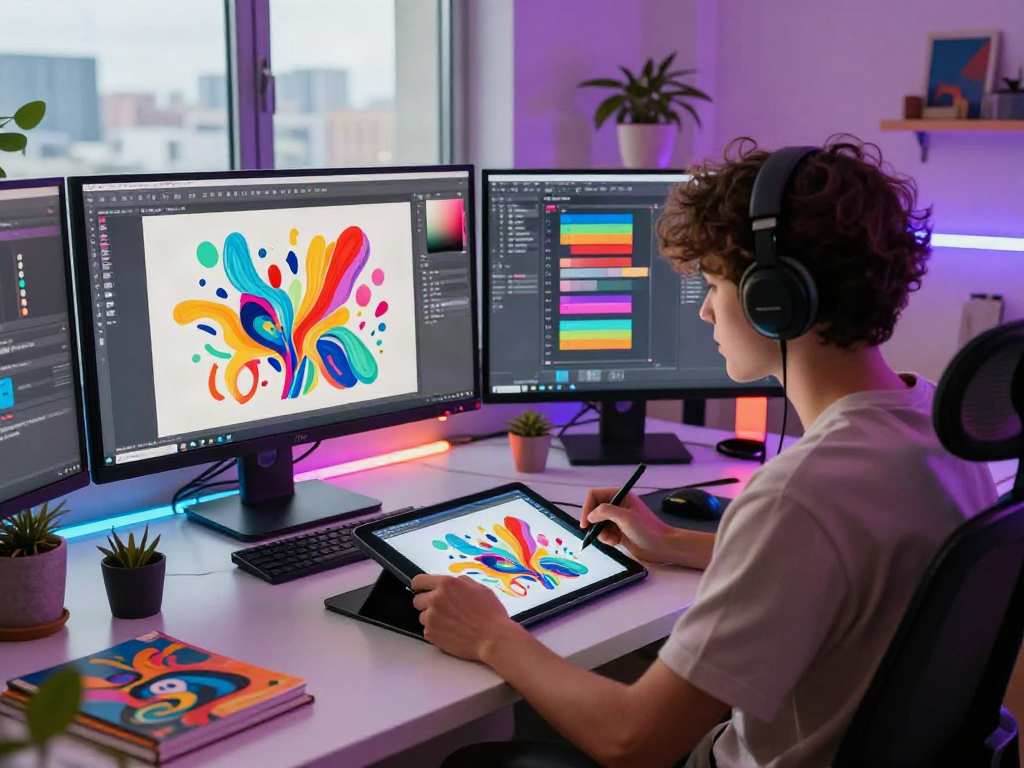
The Impact of AI on Artistic Expression
Artificial Intelligence (AI) is revolutionizing the creative landscape, providing artists with innovative tools and new mediums of expression. As we venture into 2026, the integration of AI in art is not merely a trend but a fundamental shift in how creativity is perceived and executed. Engaging with ai 18+ opens up a plethora of possibilities, allowing artists to enhance their creative processes and overcome traditional constraints. This article will delve into the profound impact of AI on artistic expression, exploring its roles, addressing misconceptions, and examining future trends that promise to reshape the artistic community.
Understanding AI 18+ in Creative Industries
AI 18+ refers to advanced AI tools and applications specifically designed to aid artists in their creative endeavors. These tools can automate mundane tasks, provide fresh insights, and serve as mentors to budding artists. A significant aspect of this technology is its ability to analyze large datasets, unearthing trends and patterns that may go unnoticed by human creators. This capability can inspire artists, pushing them beyond conventional boundaries and encouraging experimentation.
In industries such as graphic design, music composition, and film production, AI algorithms are used to generate ideas, suggest color palettes, and even compose soundtracks. As these tools evolve, understanding their applications becomes crucial for today’s artists, who must adapt to remain relevant in the quickly changing landscape of creative expression.
The Role of AI in Enhancing Creativity
AI enhances creativity by acting as a collaborative partner rather than a replacement for human creativity. Tools like DeepArt and DALL-E 2 leverage neural networks to transform basic sketches into complex artworks or generate images from textual descriptions. This symbiotic relationship allows artists to push their creative limits while maintaining their artistic voice.
Moreover, AI can facilitate a more efficient workflow. For instance, artists can use AI for tasks like color correction and image resolution enhancement, freeing up time to focus on ideation and artistic exploration. Thus, AI does not stifle creativity; instead, it amplifies it, enabling artists to experiment with new genres and forms that were previously unattainable.
Case Studies of Successful AI Art Integration
Numerous artists have already embraced AI to create groundbreaking works. For example, Refik Anadol, a media artist and director known for his site-specific public art with AI, employs algorithms to analyze massive datasets from architectural features. His exhibition, "Machine Hallucinations," is a prime illustration of how AI can interpret data and create mesmerizing visuals that stimulate emotional responses.
Another notable example is the collaboration between musician Holly Herndon and her AI “baby,” Spawn, which she trained to generate vocal samples. This unique partnership results in compositions that blend human emotion with machine learning, challenging traditional notions of authorship and creativity in music.
Addressing Common Misconceptions About AI in Art
Despite the advancements in AI technology, several misconceptions about its role in art persist. These misunderstandings can hinder artists from exploring AI's potential fully.
Debunking Myths Surrounding AI and Originality
A prevalent myth is that AI-generated art lacks originality. Critics argue that since AI relies on existing data to create, it cannot produce truly original work. However, it’s essential to recognize that traditional artists also draw upon existing influences; therefore, AI can be viewed as another tool in the artist’s toolbox rather than a replacement. The originality of AI art lies in its novel combinations and transformations of existing styles, rather than the creation of entirely new forms.
AI as a Collaborative Partner, Not a Replacement
Artists fear that AI will replace their jobs; however, the reality is that AI serves as a collaborative partner. By handling repetitive tasks, AI allows artists to focus on their core creative processes. For instance, an illustrator may use AI to generate background landscapes, enabling them to concentrate on character design and narrative. This collaboration can foster a new genre of art where human creativity and machine efficiency coexist harmoniously.
Understanding the Ethics of AI-Generated Art
Ethical considerations surrounding AI-generated art are complex. Questions about authorship, copyright, and the implications of AI learning from human-created work raise critical discussions. Artists must navigate these issues thoughtfully, considering how to attribute credit to both human and machine contributions. Furthermore, it emphasizes the importance of transparency in AI development, ensuring that artists understand how the tools they use are trained and the potential biases embedded within them.
Best Practices for Integrating AI Tools
Successfully integrating AI into artistic practices requires a strategic approach. Here are some best practices for artists looking to explore AI 18+ technologies effectively.
Choosing the Right AI Tools for Your Artistic Needs
The first step in utilizing AI is selecting the right tools that align with your artistic objectives. Research different options and experiment with various applications to find what resonates with your work style. Tools like Runway ML for video editing and Artbreeder for collaborative image creation can be valuable starting points. Each tool has its unique features that cater to different artistic needs, making it crucial to choose wisely.
How to Balance Traditional Skills with AI Capabilities
While embracing AI, artists should not overlook the importance of traditional skills. Balancing AI capabilities with hands-on techniques can enhance overall creative output. For instance, practicing fundamental drawing techniques will improve your ability to critique and refine AI-generated outputs, leading to a more holistic artistic approach.
Setting Boundaries with AI to Maintain Creative Authenticity
Setting limits on AI’s involvement in your creative process is essential to maintaining authenticity. Artists should define clear boundaries regarding when to rely on AI and when to trust their instincts. This balance ensures that the final artwork remains a true reflection of the artist’s vision, rather than an unfiltered output of the AI.
Future Trends in AI and the Art Sector
As we look forward to 2026, several trends are emerging in the intersection of AI and art that promise to transform the creative sector.
Predictions for AI Art in 2026 and Beyond
By 2026, AI is expected to become increasingly advanced, allowing for more complex interactions between artists and machines. Predictions indicate that AI could evolve from being a creative assistant to an active collaborator, capable of understanding and interpreting an artist’s intent in real-time. This evolution will likely lead to dynamic performances and exhibitions that adapt based on audience interaction, creating a more immersive experience.
The Role of AI in Expanding Artistic Communities
AI has the potential to democratize access to art by providing tools that lower the barrier to entry for aspiring artists. With AI-powered platforms offering simplified interfaces and user-friendly features, individuals from diverse backgrounds can explore their creativity without formal training. This shift could lead to a broader range of artistic expressions and a more inclusive art community.
Emerging Technologies to Watch in AI Art
Several emerging technologies will shape the future of AI in art, including augmented reality (AR) and virtual reality (VR). These technologies can provide new immersive platforms where AI-driven artworks can come to life. Artists may create virtual galleries where visitors can experience AI-generated art in interactive environments, fostering deeper engagement and appreciation.
Measuring Success with AI in Artistic Endeavors
As artists embrace AI, measuring the success of AI-integrated projects becomes increasingly important. Here are key metrics and strategies to consider.
Key Performance Indicators for AI Art Projects
Establishing clear key performance indicators (KPIs) for AI art projects can help artists assess their effectiveness and impact. Metrics may include audience engagement, social media shares, and critical reception. Additionally, tracking the time saved by using AI tools can provide insight into productivity gains.
Feedback Mechanisms and Community Engagement
Engaging with your community through feedback mechanisms is vital for growth. Encourage audience participation through surveys and interactive platforms to gather insights on how your AI-generated works are received. This feedback loop can inform future projects and help to refine your artistic approach.
Continuous Learning and Improvement with AI
Lastly, artists should commit to continuous learning when integrating AI into their practices. Staying informed about the latest advancements in AI technology and art trends will ensure that your work remains innovative and relevant. Collaborating with technologists and participating in workshops can provide valuable insights to further enrich your artistic repertoire.
What are the best AI tools for artists?
Several AI tools cater to artists' diverse needs, including Midjourney for image generation, Jukedeck for music composition, and GANPaint Studio for image editing. Each tool offers unique functionalities that can enhance the creative process.
How does AI influence creative processes?
AI influences creative processes by automating tasks, providing inspiration, and enabling experimentation. Artists can leverage AI to explore new styles and techniques, ultimately enriching their artistic workflow.
Can AI art be considered original?
AI-generated art can be considered original in the sense that it produces unique combinations of existing styles and concepts, pushing the boundaries of conventional creativity.
What are the ethical implications of AI in art?
The ethical implications of AI in art include issues surrounding authorship, copyright, and the potential for bias in AI training data, necessitating a transparent approach to creation.
How will AI shape the future of art in 2026?
AI will shape the future of art by fostering greater collaboration between artists and machines, expanding access to artistic tools, and creating immersive experiences that engage audiences in new ways.